The information shared in this article is based on established dermatological research and general clinical understanding of pregnancy-related skin changes. It is intended for general awareness only and should not be used as a substitute for personal medical advice. Every pregnancy is different, and the suitability of any treatment, product, or remedy must always be assessed by a qualified doctor before use.
Understanding Skin Changes During Pregnancy: A Research-Informed Guide
Becoming a mother is one of life’s most meaningful transitions — but pregnancy also brings a wide range of physical changes, many of which show up on the skin. These changes are driven largely by shifting hormone levels, along with immune and circulatory adjustments that the body makes to support pregnancy. Some changes are simply cosmetic, while others may need medical attention. Knowing the difference can help expecting mothers feel more informed and less anxious about what they’re experiencing.
Why Does Pregnancy Affect the Skin?
During pregnancy, the body undergoes major hormonal, immunological, and blood-flow-related shifts. These changes can influence pigmentation, skin elasticity, hair and nail growth, and how the skin responds to existing conditions. Skin-related changes are reported in the vast majority of pregnancies, though how noticeable they are can vary widely from person to person.
Broadly, pregnancy-related skin changes fall into three categories:
- Physiological (hormonal) changes — benign changes considered a normal part of pregnancy
- Pre-existing conditions affected by pregnancy — skin issues that may improve or worsen
- Pregnancy-specific conditions — conditions that occur only during pregnancy and occasionally need closer monitoring
Common Physiological Skin Changes
These changes are generally considered a normal, expected part of pregnancy rather than a medical concern. However, if they cause significant discomfort or distress, a dermatologist can advise on safe ways to manage them.
Pigmentation Changes
Darkening of the skin is one of the earliest and most common changes noticed during pregnancy, largely driven by hormonal shifts. It tends to be more visible around the genital area, inner thighs, underarms, and a vertical line down the centre of the abdomen. Many women also notice a temporary darkening of the face, often called the “mask of pregnancy,” along with existing freckles, moles, or scars appearing more prominent.
These changes typically fade after delivery, though in some cases the fading is only partial. Sun protection is generally considered the safest supportive step, since topical treatments for pigmentation are not recommended during pregnancy without medical guidance and are usually deferred until after delivery.
Stretch Marks
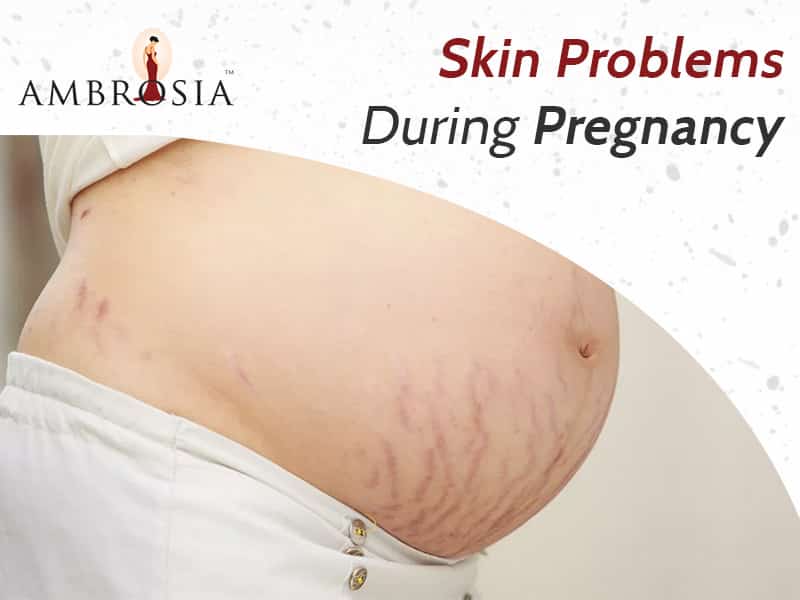
As the skin stretches to accommodate a growing baby, some women develop reddish or purplish streaks that later fade into lighter, indented lines — commonly known as stretch marks. Family history, prior stretch marks, and the amount of weight gained during pregnancy can all play a role in how likely they are to appear.
While various oils and creams are popularly discussed for prevention, current evidence on their effectiveness is limited, and any product use during pregnancy should first be discussed with a doctor. Post-pregnancy options such as certain topical treatments or laser procedures may be considered later, again only under professional guidance.
Other Physiological Changes
Mild swelling of the face, hands, and feet, redness of the palms, and visible leg veins are also commonly reported. These changes are generally temporary and tend to resolve after childbirth, though a doctor should be consulted if swelling is sudden, severe, or accompanied by other symptoms.
Hair Changes
Hormonal fluctuations can either encourage or slow hair growth during pregnancy, and some women notice increased body or facial hair. Hair thinning or shedding is more commonly reported after delivery, with regrowth typically taking several months to a year.
Nail Changes
Nails often grow faster during pregnancy but may also become more brittle. This is generally a benign, self-resolving change.
When Pregnancy Affects Existing Skin Conditions
Pregnancy can sometimes shift the immune system in ways that make expecting mothers more susceptible to certain infections, and can also influence how pre-existing skin conditions behave — some improve, while others may flare up.
Conditions such as vaginal yeast infections are relatively common during pregnancy. Certain infections, including herpes, chickenpox, and genital warts, carry additional risks around the time of delivery and require prompt medical evaluation. Anyone with a pre-existing skin condition should inform their dermatologist as early as possible in pregnancy, so that any ongoing treatment can be reviewed and adjusted safely.
Pregnancy-Specific Skin Conditions
Certain inflammatory skin conditions occur only during pregnancy. These typically resolve after delivery, but a few are associated with complications and require careful monitoring. They generally present with itching and a visible rash of varying severity.
While such conditions are uncommon overall, any new, persistent, or severe rash during pregnancy warrants prompt evaluation by a dermatologist, since early diagnosis supports better outcomes for both mother and baby.
Acne During Pregnancy
Acne is a common inflammatory skin condition, and pregnancy can make it particularly unpredictable — often improving in the early months but worsening in the final trimester due to increased hormone-driven oil production. Women with a prior history of acne tend to be more prone to flare-ups during pregnancy.
Acne Treatment during pregnancy requires extra caution, as several commonly used acne medications are not considered safe during this time. A dermatologist can recommend pregnancy-appropriate treatment options based on the severity of the acne and individual health history — self-medicating is best avoided.
Are Skin Changes an Early Sign of Pregnancy?
Skin changes are extremely common in pregnancy, but they generally become noticeable as pregnancy progresses rather than serving as a reliable early indicator. Terms like “pregnancy glow” or breakouts are widely discussed, but they shouldn’t be relied upon as a sign of pregnancy on their own.
Itchy Skin During Pregnancy
Itching is a frequently reported symptom, especially on the abdomen and particularly in the later stages of pregnancy. It can stem from several causes — some purely physiological, others linked to liver, kidney, or thyroid function, or to pregnancy-specific skin conditions. Because the underlying cause varies, persistent or severe itching should be evaluated by a doctor rather than self-treated, so the right cause can be identified and managed appropriately.
The Emotional Side of Skin Changes
Physical changes during pregnancy don’t only affect the body — they can affect emotional wellbeing too. Persistent itching can disrupt sleep and daily life, and visible changes like pigmentation can sometimes affect confidence and mood. If skin symptoms are contributing to stress, low mood, or difficulty coping, this is worth discussing with a doctor alongside any physical symptoms, as reassurance, proper evaluation, and appropriate care can make a meaningful difference.
Could Skin Conditions Affect the Baby?
Certain pregnancy-specific skin conditions have been associated in research with risks such as premature birth or other delivery-related complications, while some infections (like chickenpox, herpes, or genital warts) can pose risks to the newborn if untreated. This is why any unusual skin symptom during pregnancy should be brought to a doctor’s attention rather than monitored at home, so risks to the baby can be assessed and managed early.
Managing Skin Changes Safely During Pregnancy
A few general principles are worth keeping in mind:
- Avoid starting any over-the-counter product for pigmentation, acne, or stretch marks without medical advice
- Share your full skin history with your doctor, including any pre-existing conditions or ongoing treatments
- Most physiological changes resolve on their own after delivery and need only symptomatic care, such as gentle moisturising for dryness or itching, as advised by a doctor
- Some conditions do require specific treatment — proper evaluation is the only way to know which category a symptom falls into
When Should You See a Dermatologist?
Itching and pigmentation changes are among the most commonly reported skin concerns during pregnancy. In many cases, a careful history and skin examination is enough to reach a diagnosis. As a general guide, it’s worth consulting a dermatologist if:
- You have a pre-existing skin condition and are currently on treatment
- You notice a new or worsening rash
- Itching becomes severe, persistent, or affects your sleep
- You’re unsure whether a skin change is normal or needs attention
Pregnancy brings enough to think about without added uncertainty over skin changes. At Ambrosia Clinic, our approach is to help expecting mothers understand what’s happening to their skin and to guide them toward care that’s appropriate and safe at every stage of pregnancy. If you’re experiencing skin changes during pregnancy and would like a professional opinion, our dermatology team is available for consultation.
This article is intended for general informational purposes only and does not constitute medical advice. Please consult a qualified doctor or dermatologist to assess what is appropriate for your individual pregnancy.