The information in this article is based on established dermatological research and clinical understanding of rosacea. It is intended for general awareness only and does not replace personalised medical advice. Whether a particular treatment is appropriate for you — including during pregnancy — should always be assessed individually by a qualified dermatologist.
Rosacea: Understanding Persistent Facial Redness and How It’s Managed
Persistent redness on the face isn’t always just a blush from a kind word. When redness lingers and starts to feel like a permanent part of your complexion, it can affect how you feel about your appearance — and it’s worth understanding what might be behind it. One common cause is a skin condition called rosacea. While it isn’t typically considered dangerous, it can affect skin appearance and comfort over time, which is why understanding and managing it matters.
What Is Rosacea?
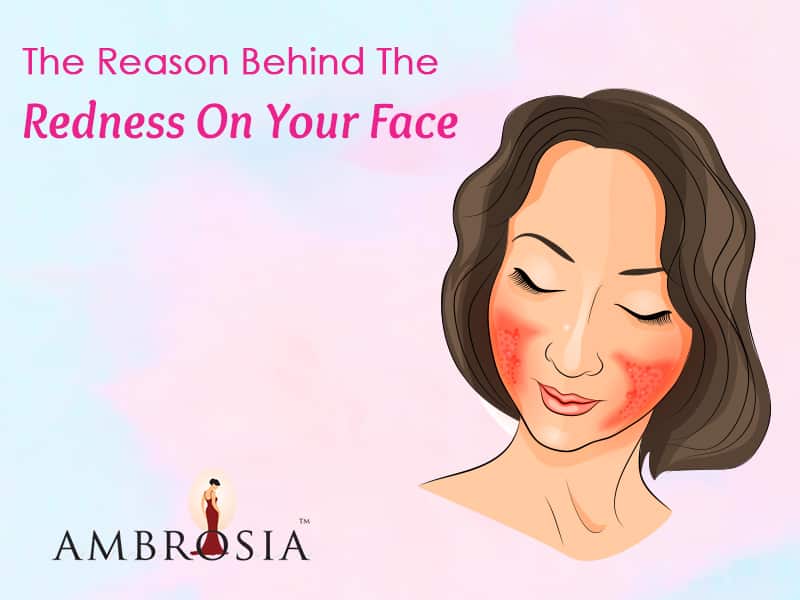
Rosacea is a chronic skin condition that develops when blood vessels in the face become overly reactive, causing flushing and visible redness — most often across the cheeks, nose, forehead, and chin. The exact underlying cause of this vascular over-reactivity isn’t fully understood, though sun exposure is considered a major contributing trigger.
The condition often begins as flushing, caused by widening of facial blood vessels. Over time, repeated episodes can lead to inflammation, fluid build-up, and permanently visible blood vessels. In more persistent cases, this inflammation can lead to small, acne-like red bumps — though rosacea and acne are distinct conditions with different underlying causes.
Rosacea tends to follow a long-term, chronic course, and in some cases, ongoing inflammation can cause the skin to thicken over time. Because the condition can evolve and its underlying causes vary from person to person, evaluation by a dermatologist is important rather than self-diagnosing based on appearance alone.
Could You Have Rosacea? A Quick Self-Check
Because several skin conditions — particularly acne — share overlapping symptoms with rosacea, it can be difficult to tell them apart on your own. The following questions may help clarify whether it’s worth seeking a professional opinion:
- Is the central part of your face (nose, cheeks, chin, or around the eyes) persistently red?
- Has this redness lasted for a while, rather than coming and going quickly?
- Does your nose appear slightly enlarged or swollen?
- Are your eyes red, dry, or irritated? (This occurs in a notable share of rosacea cases.)
- Do you have red, swollen bumps that resemble acne?
If several of these sound familiar, it’s worth having a dermatologist assess your skin directly rather than guessing at self-diagnosis or treatment.
What Triggers Rosacea?
Identifying your personal triggers is often just as important as diagnosis, since treatment tends to be more effective when known triggers are managed alongside medical care. Some commonly associated factors include:
- An overactive immune or vascular response
- Fair skin type, which appears more prone to rosacea
- Naturally dilated facial blood vessels, which can enlarge further with blushing
- Demodex folliculorum — tiny mites naturally present on skin, which are not usually considered harmful in normal numbers, though some research suggests they may play an aggravating role in certain cases
- Family history — rosacea can have a genetic component
Everyday Habits That Can Aggravate Rosacea
Certain daily habits are commonly associated with rosacea flare-ups, including:
- Alcohol consumption and smoking
- Caffeine intake
- Sun exposure and extreme temperature changes
- Stress, anger, or embarrassment, which can cause blood vessels to dilate
- Certain cosmetics — non-comedogenic, fragrance-free, and hypoallergenic products, along with a mild cleanser, are generally better tolerated
- Spicy foods
- Certain oral medications
Sharing these details with your dermatologist helps them build a more accurate picture of your triggers and plan an appropriate management approach.
Where on the Body Does Rosacea Appear?
Rosacea most commonly affects the central face — cheeks, nose, forehead, chin, and eyes. In more advanced cases, it can extend to the ears and scalp. Persistent scalp itching, burning, or redness is worth having examined early. Red bumps appearing elsewhere on the body are usually linked to a different underlying skin condition and should be evaluated separately.
How Common Is Rosacea?
Rosacea is considerably more common than many people realise. Because it often doesn’t cause significant physical discomfort, many people overlook it or delay seeking care. However, treating it as a legitimate health condition — rather than a cosmetic inconvenience — can meaningfully improve both skin health and quality of life.
Types of Rosacea
Rosacea presents in a few recognised forms:
- Erythematotelangiectatic rosacea — the most common type, marked by facial flushing and visible dilated blood vessels
- Papulopustular rosacea — includes visible blood vessels along with acne-like red bumps, often mistaken for acne
- Phymatous rosacea — thickened, enlarged, and irregular-textured skin resulting from long-term inflammation
- Ocular rosacea — affects the eyes, causing redness, burning, light sensitivity, dryness, or a gritty sensation
Because presentation varies, a dermatologist’s assessment helps determine which type you may be dealing with and the most suitable management approach.
Rosacea and Pregnancy
Current evidence linking pregnancy directly to rosacea onset is limited, although both conditions can coincide around similar life stages — possibly related to hormonal shifts or stress, though this connection remains a subject of ongoing discussion in research.
If you have rosacea and are pregnant or planning pregnancy, it’s understandable to be cautious about treatment. Some rosacea treatment options may be considered during pregnancy, but only after evaluation by a qualified dermatologist. Suitability depends on factors such as the stage of pregnancy, the severity of symptoms, and your individual medical history. Your dermatologist will discuss the potential benefits and risks of any option with you directly, so that any decision is made with full, individualised medical guidance — not a blanket assumption of safety.
Why Consult a Dermatologist for Rosacea?
Living with a visible skin condition can affect more than appearance — it can influence confidence, social comfort, and professional life. Research from the National Rosacea Society has found that a large majority of people with rosacea report a decline in self-confidence, and a meaningful share report avoiding social or professional interactions because of it.
The psychological impact of rosacea is often just as significant as the physical one. Helping people feel more confident in their skin — through informed, medically guided care — is central to how Ambrosia Clinic approaches rosacea management.
Treatment Options for Rosacea
Over-the-counter creams and home remedies are widely marketed for rosacea, but their results tend to be inconsistent and are not guaranteed. Instead, dermatologists generally recommend a combination approach, tailored to the individual and the type of rosacea involved:
- Trigger avoidance based on your personal pattern of flare-ups
- Sun protection, which plays a significant role in managing symptoms
- Medical management — topical antimicrobials, topical retinoids, or topical anti-inflammatory agents, sometimes combined with oral antibiotics or retinoids, depending on the case
- Laser treatments — such as pulsed dye laser or intense pulsed light, which may help reduce visible redness
- Chemical peels — which may help even out skin tone and reduce redness in some patients
- Treatment for rhinophyma (skin thickening around the nose) — options include surgical excision, laser treatment, dermabrasion, or radiofrequency, depending on severity
- Intradermal botulinum toxin (mesobotox) — an emerging option that some recent studies suggest may help with persistent redness, though this approach is still being studied and isn’t suitable for everyone
The right combination of these options depends entirely on your specific presentation, medical history, and how your skin responds — which is why a proper evaluation by a qualified dermatologist is the appropriate starting point, rather than self-selecting a treatment.
Rosacea is manageable, and you don’t have to simply live with it. If persistent facial redness is affecting your confidence or comfort, a consultation with a qualified dermatologist can help clarify what’s happening and outline the options that may be appropriate for you.
This article is intended for general informational purposes only and does not constitute medical advice. Please consult a qualified dermatologist to assess what is appropriate and safe for your individual case, including during pregnancy.