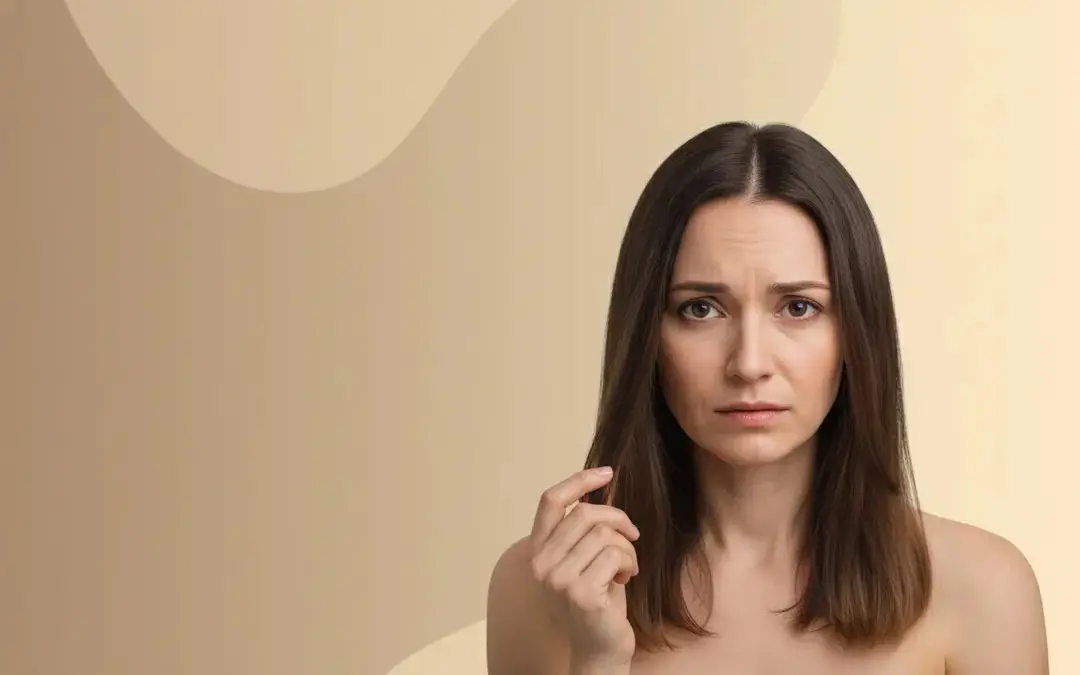
Hair is more than just a part of appearance — it’s a reflection of health, confidence, and identity. While hair loss is often associated with men, millions of women around the world experience it too. Female hair loss can be distressing, affecting emotional well-being and self-esteem. Recognizing the reasons behind hair loss and knowing hair loss treatment options is key to restoring hair health. There are different ways such as PRP treatment and FUE hair transplant.
Hair loss, or alopecia, occurs when hair falls out faster than it grows back. While it’s normal to shed around 50–100 strands per day, excessive or patchy hair loss may indicate an underlying issue. Unlike men, women usually experience diffuse thinning rather than complete bald patches.
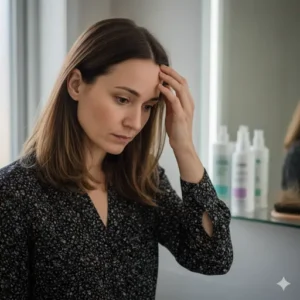
Common Causes of Hair Loss in Females
1. Hormonal Imbalance
When hormones like estrogen and progesterone change it can cause hair to get thinner. Generally, happens in conditions such as during pregnancy, menopause, or thyroid problems.
2. Genetics (Female Pattern Hair Loss)
Also known as Androgenetic Alopecia, this is the most common cause of hair loss in women. It typically leads to thinning on the top and crown of the scalp while preserving the frontal hairline.
3. Stress
Physical or emotional stress can cause Telogen Effluvium. It is a temporary condition where hair follicles enter the resting phase, leading to sudden shedding.
4. Nutritional Deficiencies
Lack of iron, protein, zinc, biotin, or vitamin D can weaken hair roots and slow regrowth.
5. Medical Conditions
Autoimmune disorders like Alopecia Areata, PCOS (Polycystic Ovary Syndrome), and thyroid diseases are known contributors to hair loss.
6. Hairstyling & Chemical Damage
Frequent use of heat styling tools, chemical treatments, or tight hairstyles can cause breakage and Traction Alopecia.
7. Medications
Certain drugs for blood pressure, depression, or birth control may list hair loss as a side effect.
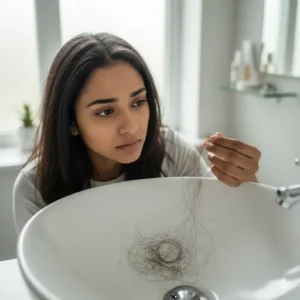
Types of Hair Loss in Females
- Androgenetic Alopecia: Gradual thinning at the crown and parting line.
- Telogen Effluvium: Sudden diffuse shedding due to stress or illness.
- Alopecia Areata: Patchy bald spots caused by autoimmune attack.
- Traction Alopecia: Hair loss from tight hairstyles or pulling.
- Scarring Alopecia: Permanent loss due to scarring or inflammation.
Diagnosis of Hair Loss
- A dermatologist or trichologist may perform.
- Scalp examination
- Blood tests to check hormone and nutrient levels
- Pull test to assess shedding pattern
- Scalp biopsy in severe or unclear cases
Effective Treatments for Female Hair Loss
1. Topical Medications
Minoxidil (2% or 5%): FDA-approved treatment that stimulates hair follicles and promotes regrowth.
2. Oral Medications
Finasteride or Spironolactone (under medical supervision) can help in hormonal hair loss.
3. PRP Therapy (Platelet-Rich Plasma)
A modern, minimally invasive procedure where platelet-rich plasma from your blood is injected into the scalp to stimulate growth.
4. Laser Therapy
Low-Level Laser Therapy (LLLT) improves scalp blood flow and strengthens follicles.
5. Nutritional Support
Supplements with biotin, iron, zinc, and vitamin D help restore healthy hair growth.
6. Hair Transplant or Advanced Treatments
For advanced cases, Hair Transplantation or Stem Cell Therapy can offer long-term results.
FAQ’s
What are the types of hair loss in women?
What causes a woman to have hair loss?
What are the risk factors for hair loss in women?
How much hair loss is considered normal?
How do I stop my hair from falling out?
Who treats hair loss in women?
Disclaimer: Images and content present on ambrosia clinic have utilized AI Language and Image Models (Gemini Preferred) for better representation of the medical conditions and understanding of the reader. Although, All the information presented has been verified first hand by the doctors and medical staff of Ambrosia before publication, but this information is not meant to be considered as medical prescription.