Melasma, a skin condition causing brown or gray brown patches, often appears on the face, particularly the cheeks, forehead, and chin. While it’s often linked to sun exposure, hormones, and genetics, it can be effectively managed with natural treatments. If you’re looking to try melasma treatment at home, these gentle remedies can help lighten dark patches safely and affordably.
1. Aloe Vera Gel
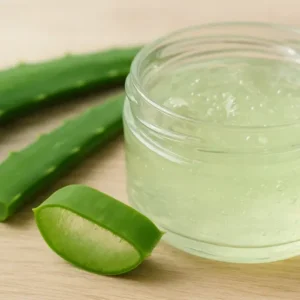
Image Generated by Gemini
Why It Works: Aloe vera contains aloin, a natural depigmenting compound, which helps reduce melanin production.
How to Use: Apply fresh aloe vera gel directly to the affected areas. Leave it on for 20 minutes before rinsing with lukewarm water. Repeat twice daily for the best results.
2. Apple Cider Vinegar (ACV)

Image Generated by Gemini
Why It Works: ACV contains acetic acid, which is known for its mild exfoliating properties and skin brightening effects.
How to Use: Mix equal parts ACV and water. Apply this solution to the melasma patches with a cotton ball. Rinse after 10 minutes. Do this daily, but always dilute to avoid irritation.
3. Turmeric Paste

Image Generated by Gemini
Why It Works: Curcumin in turmeric has anti-inflammatory and antioxidant properties that can help lighten pigmentation.
How to Use: Mix a teaspoon of turmeric with milk to form a paste. Apply to the melasma spots and leave for 15 minutes before rinsing. Repeat 23 times a week.
4. Green Tea Extract
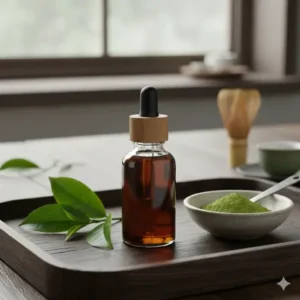
Image Generated by Gemini
Why It Works: Green tea contains antioxidants that can reduce melanin production and promote even skin tone.
How to Use: Brew green tea, allow it to cool, then apply it with a cotton pad to affected areas. For a stronger treatment, add green tea extract to a moisturizer.
5. Lemon Juice and Honey Mask

Image Generated by Gemini
Why It Works: Lemon juice has mild bleaching properties, and honey is a natural moisturizer, helping fade dark patches without drying the skin.
How to Use: Mix equal parts lemon juice and honey. Apply to your skin and leave on for 15 minutes before washing off. Use 12 times a week, but be cautious if you have sensitive skin.
6. Papaya Pulp

Image Generated by Gemini
Why It Works: Papaya contains papain, an enzyme that gently exfoliates and lightens pigmentation over time.
How to Use: Mash ripe papaya and apply the pulp to melasma patches. Let it sit for 1520 minutes before rinsing. Repeat weekly for visible results.
7. Vitamin C Serum

Image Generated by Gemini
Why It Works: Vitamin C is a powerful antioxidant that brightens skin and reduces pigmentation.
How to Use: Use a Vitamin C serum on clean skin once daily. Over time, it can help lighten melasma and even skin tone. Opt for serums with stable forms like ascorbic acid.
8. Cucumber Juice

Image Generated by Gemini
Why It Works: Cucumber juice hydrates and soothes the skin while reducing pigmentation due to its skin brightening properties.
How to Use: Blend cucumber to extract juice. Apply it to affected areas and leave on for 15 minutes before rinsing. Use daily for a refreshing treatment.
9. Onion Juice

Image Generated by Gemini
Why It Works: Onion juice contains sulfur compounds that are known to reduce pigmentation and improve overall skin tone.
How to Use: Dab onion juice onto melasma spots using a cotton swab. Leave on for 10 minutes before rinsing thoroughly. Use 23 times a week.
10. Oatmeal and Milk Exfoliating Mask

Image Generated by Gemini
Why It Works: Oatmeal gently exfoliates, removing dead skin cells, while milk’s lactic acid helps fade dark patches.
How to Use: Mix oatmeal with enough milk to make a paste. Gently scrub your face with this mixture and leave it on for 10 minutes before rinsing. Use weekly for smooth, even toned skin.
Tips for Melasma Prevention and Aftercare
- Sunscreen is Key: Use broad spectrum SPF 30+ sunscreen daily, even if you’re indoors.
- Avoid Direct Sun Exposure: Wear hats and seek shade whenever possible.
- Moisturize Daily: A hydrated skin barrier can heal faster and appear brighter.
- Avoid Harsh Scrubs: Gently exfoliate only 12 times a week to avoid skin irritation.
These melasma treat at home offer natural ways to help fade dark patches over time. With patience and consistency, these treatments can brighten your skin and reduce melasma safely and naturally. Always remember to perform a patch test when trying any new ingredient.
FAQ’s
Which areas of the body are most commonly affected by Melasma?
Does Melasma go away on its own?
What’s the difference between Melasma & Skin Pigmentation?
What is the best way to prevent melasma recurrence?
What skin conditions are often confused as Melasma?
When can I expect to see results?